

Radiator Hose Buyers Guide
A radiator hose is a key component in your vehicle's cooling system, helping to circulate coolant in your engine. Occasionally these hoses wear out and need to be replaced. To help with that process, we've put together this guide that includes the following:
- What radiator hoses are and why they are important.
- How to diagnose a failing radiator hose.
- How to replace a radiator hose.
- The difference between aftermarket and OEM radiator hoses.
What Is A Radiator Hose, And What Does It Do?
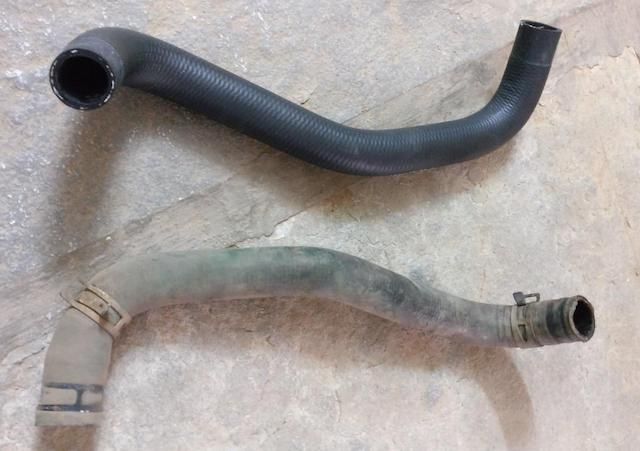
A radiator hose carries coolant between the engine and the radiator, circulating the coolant to keep the engine operating at a safe temperature. The coolant absorbs heat from the engine and returns to the radiator to cool off. As a result, the radiator hoses are subjected to a lot of heat and pressure, eventually wearing them out.
For more info on radiator hoses, check out this article.
How Do I Know When A Radiator Hose Is Bad?
OEM radiator hoses typically last around ten years or 100,000 miles. When one starts to go bad, you may notice cracking or bulging, especially near the clamps. Other signs of a bad radiator hose include:
- Sagging or loss of shape.
- The hose feels soft when you squeeze it or is partially collapsed.
- There are signs of coolant leaking from the hose.
- The coolant level is low, and/or you need to add coolant regularly.
- The engine overheats or runs hotter than normal.
If your vehicle leaks coolant or overheats, it's important to check it out as soon as possible. This blog post provides more info on how to diagnose a bad radiator hose.
How To Replace A Radiator Hose

Replacing radiator hoses involve four steps:
- Draining the coolant from your radiator.
- Removing the old hoses.
- Installing the new hoses.
- Adding new coolant and bleeding the cooling system.
As a general rule, you should replace both radiator hoses and replace the coolant at the same time. The info in this link on how to replace a Honda radiator hose generally applies to all vehicles and provides some additional tips.
Are OEM Radiator Hoses Better Than Aftermarket Radiator Hoses?
Aftermarket radiator hoses can be cheaper to buy but can cost you more money in the long run for two reasons:
-
Most OEM radiator hoses are made of Ethylene Propylene or EPDM, which offers strong resistance to heat, hot water, and ethylene glycol, the most common coolant. Aftermarket radiator hoses may be made of other materials besides EPDM or may be thinner than OEM hoses. That's why they are usually less expensive and often don't last as long as OEM hoses.
- OEM radiator hoses are made to fit your vehicle down to the make, model, and engine type. The hoses will be pre-formed and shaped to fit your vehicle and easily connect to your engine and radiator. Many aftermarket hoses are made to fit various cars and may not be an exact fit for your vehicle.
As a result, you may have to replace the hoses more often, which means you'll have to replace the coolant more often as well. When that happens, you end up buying more hoses and paying for more coolant, costing you more money.
Suburban Auto Parts Is The Best Place To Buy OEM Radiator Hoses
If you're looking for the best place to find quality OEM belts, hoses, and radiators, check out Suburban Auto Parts. We are one of the largest dealer groups in the country and offer a huge selection of genuine OEM parts and accessories for all kinds of vehicles. We offer the lowest prices on OEM parts and provide fast shipping from over 50 locations across the U.S.
Check out our reviews to see what makes us different, or contact us to work with one of our helpful and knowledgeable parts specialists.