

How To Make Sure Your Body Shop Only Uses OEM Parts
Do you have a damaged auto body part from an accident? If so, you may be looking to replace the part. You could do it yourself, but auto body work can be difficult. Unless you have the skills, experience, and tools, it's best to leave this job to the professionals.
There's a major drawback of having an auto body shop take care of the replacement, though. They'll most likely use aftermarket parts. You wouldn't be getting the most value for your money. It's always better for the body shop to use OEM replacement parts.
Why Don't Auto Body Shops Use OEM Parts?
Auto body shops probably agree that OEM parts are better, but why won't they use OEM parts? It's simply because insurance carriers prefer aftermarket parts. OEM parts usually cost more than aftermarket parts. Insurance carriers want to spend as little money as possible, so they opt for aftermarket parts.
That doesn't mean you have to settle for aftermarket body parts on your car, though! You can get the auto body shop to use OEM parts instead of aftermarket parts.
If you ask us, it’s worth the effort. The first thing you want to do is negotiate with the auto body shop. If the auto body shop won't work with you, talk to your insurance company. In this post, we'll show you how.
Why You Should Always Have Your Body Shop Use OEM Parts
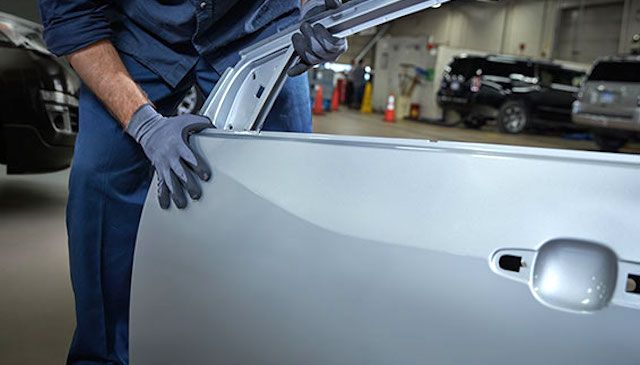
No one likes to fight with their insurance company. Yet, in this case it’s very well worth it. You want OEM auto body parts on your car because:
- OEM body parts are designed to OE specs. This means you'll never run into fitment issues.
- Fitment issues are pretty common with aftermarket parts because they're rarely designed to OE specs.
- OEM body parts match the other body parts on your car. They have the same materials, thickness, color, etc.
- It's common for aftermarket auto body parts to look a little "off". That can affect your car's appearance.
- Automakers manufacture their body parts with quality materials. So you'll know that an OEM replacement part will last long and offer optimal protection in a crash.
- Aftermarket manufacturers use low quality materials and production processes. This is a big reason why aftermarket parts are so cheap.
It’s a gamble to install aftermarket auto body parts. You may get lucky and end up with an aftermarket body part that looks good, fits perfectly, and lasts a long time. But in most cases, you’d end up with an inferior body part. It wouldn’t work in your favor, obviously. It’s the insurance company’s responsibility to replace the damaged parts on your car. You should get the same parts that were originally on the vehicle.
Negotiating With The Auto Body Shop
Negotiating with the auto body shop may sound intimidating. Just keep in mind that most auto body shops value quality customer service. They want to work with you. If you ask them to use OEM parts, they may say yes. It's possible that the shop has access to affordable OEM parts they can use. Sometimes all you have to do is ask.
What If The Auto Body Shop Says No?
If the auto body shop won't or can't use OEM parts, there's something you can try. Offer to pay the cost difference between the OEM and aftermarket parts. Have the insurance company cover the cost of an aftermarket part, and then pay the cost difference for an OEM part.
OEM auto body parts don't always have to be expensive. You can find genuine OEM parts online at low prices. Look no further than our website, actually. You'd find genuine OEM auto parts at wholesale pricing. We carry OEM auto body parts for a variety of makes and models. Look up your make and model to see if we have the OEM body part you need!
Negotiating With The Insurance Company
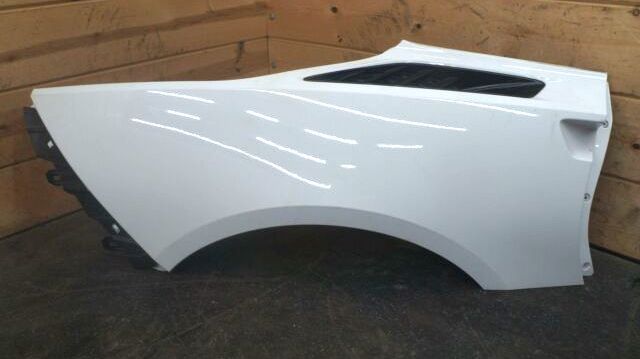
What if the body shop won't work with you because they're at the insurance carrier's mercy? Call the insurance carrier and try to negotiate with them. First, ask them if they can pay for OEM replacement parts instead of aftermarket parts. They may say no, or they may say yes. There's only one way to find out, and it's to ask them.
If the insurance company agrees to pay for OEM parts, they likely will charge you an extra fee. The fee will cover the higher cost of the OEM part(s), plus any extra work the company has to put in to grant your request.
To gain some leverage against the insurance company, research your state's laws beforehand. Some states have auto insurance laws that are written in the driver's favor. For example:
- In 13 states, insurance carriers must pay for OEM parts or OE-quality parts.
- In 6 states, insurance carriers must ask for your consent to use an aftermarket part.
Is Your Car Brand New?
Do you have a brand new car (perhaps a car purchased within 2 years ago)? If so, your insurance company may be legally obliged to pay for OEM parts. Under federal law, auto insurance companies must make your car “whole”. That means replacing a damaged original part with an OEM part. Using an inferior-quality aftermarket part won’t completely restore your car.
If you have an older car, the insurance company may get away with paying for aftermarket replacement parts. It’s because they’ll consider the parts on your vehicle as “used”. They’ll use that as a justification to not replace the damaged parts with brand new parts, but rather inferior quality aftermarket parts.
What if your car is almost brand new, though? Insurance companies must use OEM parts. Use this information to your advantage when trying to negotiate with your insurance company.
We hope our advice in this post will help you get the OEM parts you want. Good luck!