

Brake Pad Buyer's Guide
As a car owner, you want to know as much as you can about brake pads. They’re one of the parts you need to keep an eye on. It’s important to:
- Know what brake pads are
- Know the different types of brake pads
- Be able to recognize the signs of worn brake pads
- Be able to diagnose a failing brake pad
- Know how to replace the brake pads on your car
- Make informed purchasing decisions when shopping for replacement pads
That’s why we put together this buyer’s guide. In this guide, you’ll find all the information you’ve ever needed about brake pads. If you have any questions, feel free to reach out to us.
What Is A Brake Pad And Why Is It Important?
Most vehicles use a disc braking system. If you have a car with a disc braking system, you have brake pads. To see them, remove one of the wheels and then look into the caliper. You’d find two brake pads nestled in the caliper.
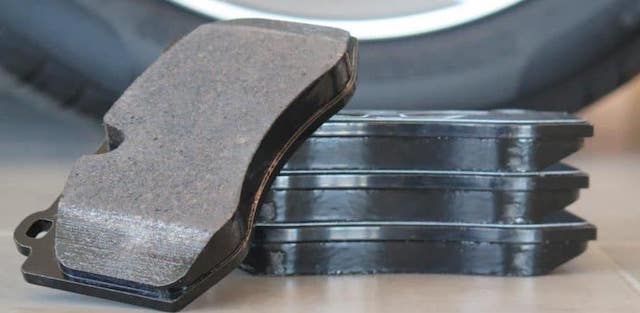
So what’s a brake pad? It’s a semi-crescent part with:
- A metal backing plate
- Friction material
Your car needs functioning brake pads at all times. It’s because the brake pads work with the rotors to provide the heat and friction needed to stop your car. Without brake pads, you can’t stop your car.
This post has a thorough explanation of brake pads and why they’re important.
The Different Types Of Brake Pads
There are several different types of brake pads, including:
- Organic/non-metallic brake pads
- Semi-metallic brake pads
- Low-metallic NAO brake pads
- Ceramic brake pads
- Sintered brake pads
Each type serves a certain purpose. For example, ceramic brake pads can absorb heat even from the most heavy and continuous braking. This makes ceramic brake pads ideal for racing. This post covers each type of brake pad in more detail. It can also help you select the best brake pads for your application.
How To Diagnose A Failing Brake Pad
Brake pads start to go bad after 30K miles. They can last as long as 70K miles, though. With a range that big, it can be pretty tricky to know when to replace your brake pads. This post on when to replace a brake pad suggests checking your brake pads every now and then.
If you’re not sure how to check your brake pads, this guide will help you. All you need to do is:
- Lift your vehicle
- Remove the wheels (if necessary)
- Measure the brake pads with a brake pad measuring tool
- Visually inspect the brake pads for uneven wear or damage
Refer to the guide for more detailed steps.
How To Replace The Brake Pads On Your Car
If you have bad brake pads, there’s no point in bringing your car to a shop. It’s easy to replace them right at home. Here’s a complete brake pad replacement tutorial. Here’s a summary of the process:
- Lift your vehicle
- Remove the wheel
- Remove the caliper
- Replace the brake pads in the caliper
- Repeat with the other wheel(s) on your car
Refer to the tutorial for much more detailed steps.
OEM Vs. Aftermarket Brake Pads
When it comes time to replace your brake pads, you have to make a decision before proceeding. You need to decide between OEM and aftermarket brake pads. This comparison guide will help you decide on the best brake pads for your car. The guide goes over the three most important factors in brake pads:
- Brake pad/rotor compatibility
- Cost
- Warranty
Here’s a spoiler: OEM brake pads come out on top. The guide explains why.