

Shocks Buyer's Guide
Do you want to learn more about the shocks on your vehicle? If your answer is yes, this guide is for you. We get many questions from our customers about various car parts, including shocks. We decided to round up some of the most common questions we get about shocks:
What Are Shocks And Why Are They Important?
Behind each wheel, there's a long tube-shaped part. One end of the part connects to a component of the suspension system and another end connects to the car frame or body. That's a shock. Also called a shock absorber, a shock keeps you safe on the road and enhances your vehicle's ride quality.
This post offers a more thorough explanation of what shocks are and why they're important.
How To Diagnose Failing Shocks
If you're not sure whether your shocks are still good, you can test them right at home. This post will show you how. To sum it up, you need to do the bounce test. If your car is bouncier than normal, your shocks have gone bad. The bounce test involves bouncing each corner of your vehicle and then observing how bouncy it is. The post offers the process in more detail.
How To Replace Your Shocks
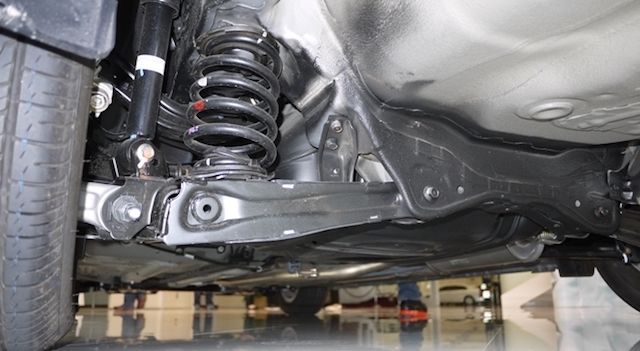
Replacing your shocks is basically:
- Removing the old shock by unbolting it from the car frame and suspension system
- Installing the new shock in place by bolting it to the car frame and suspension system
The process varies between makes and models, but that's the general idea. In all cases, you would need to lift the vehicle and remove the wheels. In some cases, you would need to remove other parts to make room for the replacement. Some shock replacement processes are more straightforward than others. It's best to find a model-specific tutorial. We put together this tutorial for 2007-2014 Escalades.
Are OEM Shocks Better Than Aftermarket?
Before you can replace your shocks, you need to buy replacement parts. This raises the question of whether you should get OEM or aftermarket replacement shocks. To explore the differences between both types of shocks, refer to this comparison guide.
To sum it up, OEM shocks are a much better investment than aftermarket shocks because:
- OEM manufacturers use superior materials and technology
- OEM shocks perform better than aftermarket shocks
Do you have any questions about shocks that weren't addressed in this buyer's guide? If so, please call us or fill out this contact form. We'll be happy to answer any questions you may have about shocks!